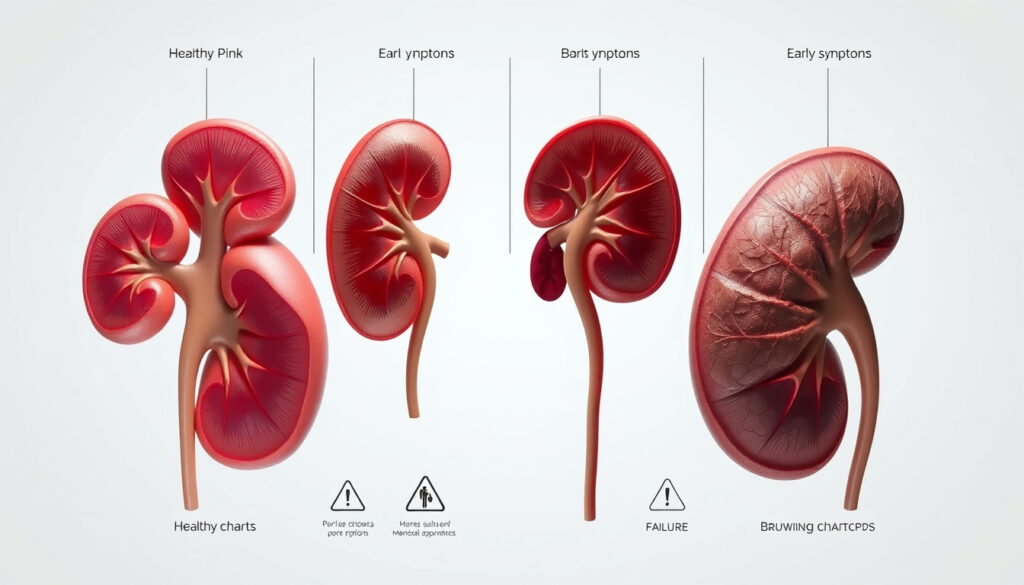
Symptoms of Kidney Problems – Early Signs to Failure Stages
Kidney problems often develop silently, with symptoms that only become noticeable once damage has progressed significantly. According to the National Institute of Diabetes and Digestive and Kidney Diseases, over 37 million U.S. adults are living with chronic kidney disease, and many remain unaware until the condition reaches advanced stages. Understanding the range of symptoms—from subtle early warning signs to indicators of kidney failure—can help individuals recognize when medical evaluation is needed.
The kidneys filter waste from the blood, regulate fluid balance, and support blood pressure and bone health. When kidney function declines, the body accumulates toxins, excess fluids, and electrolyte imbalances that manifest through various physical symptoms. Recognizing these signs early, particularly in people with risk factors like diabetes or high blood pressure, may slow disease progression and improve outcomes.
This guide examines the spectrum of kidney problem symptoms, from initial indicators detected through laboratory testing to severe manifestations requiring urgent care. It covers chronic kidney disease stages, specific conditions such as infections and stones, and provides guidance on when professional medical evaluation is warranted.
What Are the Early Signs of Kidney Problems?
Early kidney disease frequently produces no noticeable symptoms, which is why regular screening is essential for those at risk. When signs do appear in the initial stages, they are often subtle and easily attributed to other causes. The Mayo Clinic notes that chronic kidney disease may progress through stages 1 and 2 with minimal or no outward indication, making laboratory testing particularly valuable for early detection.
Many early kidney problems are identified through routine blood and urine tests before any symptoms become apparent. Individuals with diabetes, hypertension, or a family history of kidney disease should discuss kidney function screening with their healthcare provider.
4-Item Overview Grid
- Early Signs: Foamy urine, mild swelling in ankles or feet, slight fatigue, or changes in urination patterns
- Advanced Symptoms: Noticeable swelling, persistent nausea, unexplained weakness, or difficulty concentrating
- Urgent Indicators: Shortness of breath, chest pain, severe confusion, or minimal urine output
- Action Step: Consult a healthcare provider promptly if symptoms persist or worsen
Key Insights: What Research Reveals About Early Detection
- Studies indicate that a significant portion of individuals with early chronic kidney disease remain asymptomatic, with symptoms typically emerging only when kidney function drops substantially
- Foamy urine often signals proteinuria, a condition where protein leaks into urine due to kidney filter damage
- Swelling in the ankles, feet, or hands results from fluid and sodium retention when the kidneys cannot filter excess fluid effectively
- High blood pressure simultaneously contributes to kidney damage and serves as an early warning sign of declining kidney function
- Frequent nighttime urination may indicate kidney filtering issues, as damaged kidneys produce more urine during periods when the body is less active
- Blood in urine or visibly puffy eyes around the eyelids can represent early markers requiring medical assessment
- Laboratory values such as elevated creatinine levels or reduced estimated glomerular filtration rate often appear before patient-reported symptoms
Snapshot Facts: Common Early Symptoms Table
| Symptom | Description | Severity Level |
|---|---|---|
| Foamy urine | Excess protein in urine creating persistent bubbles | Moderate—warrants testing |
| Swollen ankles/feet | Fluid retention from poor filtration | Mild to moderate |
| High blood pressure | Difficult-to-control readings | Moderate—requires monitoring |
| Frequent urination | Especially during nighttime hours | Mild |
| Blood in urine | Visible or microscopic hematuria | Moderate—investigative |
| Puffy eyes | Persistent puffiness around eyelids | Mild |
| Elevated creatinine | Waste product accumulating in blood | Detected via testing only |
| Low eGFR | Reduced filtration rate measurement | Detected via testing only |
Symptoms of Kidney Failure and How to Recognize Them
As kidney function declines toward failure, the body struggles to remove waste products and maintain fluid and electrolyte balance. The Cleveland Clinic explains that kidney failure introduces additional symptoms beyond those seen in earlier chronic kidney disease stages, including confusion, complete loss of appetite, muscle cramps, and significantly reduced or absent urine output. These symptoms reflect the body’s inability to regulate its internal environment effectively.
The progression from chronic kidney disease to failure typically occurs gradually over months or years, though acute kidney failure can develop rapidly. Understanding how kidney function is measured helps contextualize symptom severity. The estimated glomerular filtration rate provides a measure of how well the kidneys filter blood, with lower values indicating more advanced disease.
How Kidney Function Decline Manifests Through Symptoms
When kidney function deteriorates beyond stage 3 chronic kidney disease, with an eGFR below 60 mL/min, symptoms generally become more pronounced. The body accumulates uremic toxins that affect multiple organ systems, leading to systemic symptoms rather than isolated complaints. According to the Mayo Clinic, this stage brings increased fatigue, sleep disturbances, and decreased mental clarity alongside the physical manifestations of waste accumulation.
Fatigue and weakness frequently accompany advanced kidney disease due to anemia—a condition where reduced kidney hormone production decreases red blood cell formation. The resulting oxygen-carrying capacity reduction leaves patients feeling constantly tired and lacking energy for daily activities.
Chronic kidney disease stages 3 through 5 correspond to progressively worsening symptoms. Stage 3a (eGFR 45-59) may show initial fatigue and swelling, while stage 5 (eGFR below 15) represents complete kidney failure with severe manifestations requiring urgent intervention.
Recognizing Urgent Symptoms of Kidney Failure
Kidney failure introduces symptoms that demand immediate medical attention. According to the Cleveland Clinic, these include altered mental status such as confusion or difficulty concentrating, complete loss of appetite sometimes described as food tasting metallic, and muscle cramps or spasms particularly affecting the legs. Urine output typically decreases substantially or may cease entirely.
Shortness of breath becomes more common as fluid builds up in the lungs when failing kidneys cannot remove excess fluid. This pulmonary edema represents a serious complication requiring urgent care. Skin that becomes persistently itchy or develops a dry texture often results from phosphate accumulation in the bloodstream, a condition that worsens as kidney filtration declines.
Common Physical Symptoms Linked to Kidney Issues
Beyond the systemic effects of kidney failure, several specific physical symptoms frequently accompany kidney problems. These symptoms vary in presentation and severity depending on the individual, the underlying cause of kidney disease, and how far the condition has progressed. The Kidney Fund emphasizes that symptom patterns differ significantly among patients, with no single indicator reliably confirming kidney disease diagnosis.
Foamy Urine and Urinary Changes
Foamy urine stands out as one of the more recognizable early indicators of potential kidney problems. When the kidney’s filtering units become damaged, protein escapes into the urine, creating foam that persists when flushing the toilet. While occasional foam may result from urine concentration due to dehydration or forceful urination, persistent foamy urine warrants laboratory evaluation for proteinuria.
Changes in urination patterns extend beyond foam to include urinating more frequently, waking multiple times during the night to urinate, producing urine that appears bloody or unusually dark, and experiencing difficulty or pain during urination. The National Kidney Foundation notes that these urinary alterations often represent some of the earliest noticeable changes as kidney function begins to decline.
Swelling and Fluid Retention
Edema, or swelling caused by fluid accumulation, commonly affects the ankles, feet, hands, and face in individuals with kidney problems. When kidneys lose their ability to filter sodium and excess fluid from the bloodstream, these substances accumulate in body tissues. The Kidney Fund reports that this swelling frequently appears first in the lower extremities due to gravity’s effects and may worsen throughout the day.
Facial puffiness, particularly around the eyes upon waking, may indicate protein loss through damaged kidney filters. Leg swelling can progress to discomfort, difficulty walking, or skin changes if severe. Patients who notice new or worsening swelling should seek medical evaluation, as fluid retention may also indicate problems with heart function or other conditions.
Sudden or severe swelling, especially when accompanied by shortness of breath, warrants immediate medical evaluation. Fluid accumulation affecting the lungs can become life-threatening if not addressed promptly.
Skin Changes and Itching
Itchy, dry skin develops as damaged kidneys struggle to filter phosphorus from the bloodstream. According to the Mayo Clinic, phosphate buildup in later chronic kidney disease stages and kidney failure commonly causes persistent itching that may worsen at night or become more noticeable after bathing. Scratching can damage skin and lead to infection if excessive.
Changes in skin appearance, including unusual pallor or a grayish undertone, may accompany advanced kidney disease due to anemia. Some patients develop deposits of calcium or urea on the skin, particularly on the face or neck area. Maintaining skin moisture and avoiding harsh soaps may provide some relief, though addressing the underlying kidney dysfunction remains essential.
Muscle Cramps and Neurological Effects
Muscle cramps, particularly affecting the legs and feet, frequently occur in kidney disease due to electrolyte imbalances involving calcium, potassium, and phosphorus. The Kidney Fund explains that these involuntary muscle contractions may range from mild twitches to severe spasms that interrupt sleep and daily activities. Staying properly hydrated within recommended limits may help reduce cramp frequency.
Neurological effects include difficulty concentrating, memory problems, and what patients often describe as “brain fog.” These cognitive changes result from toxin buildup affecting brain function. The Mayo Clinic notes that sleep disturbances, including restless leg syndrome and sleep apnea, commonly accompany advanced kidney disease and contribute to daytime fatigue and mental cloudiness.
Symptoms of Related Kidney Conditions Like Stones and Infections
While chronic kidney disease represents the most common kidney problem affecting millions of adults, specific conditions such as kidney stones and infections produce distinct symptom patterns. Unlike the often-silent progression of chronic kidney disease, these acute conditions typically generate noticeable symptoms that prompt patients to seek care.
Kidney Stone Symptoms
Kidney stones form when minerals and salts crystallize in the urinary tract, creating hard deposits that may pass through the system or require intervention for removal. The primary symptom of kidney stones involves intense pain that typically begins in the side or back below the ribs and may radiate toward the lower abdomen and groin. This renal colic comes in waves as the ureter muscles spasm trying to expel the stone.
Additional symptoms include visible blood in urine, frequent urination urges with minimal output, nausea and vomiting accompanying the pain, and in some cases, fever if an infection develops alongside the stone. The pain severity often exceeds what the stone’s size might suggest, as smaller stones can produce agonizing discomfort during passage.
Kidney Infection Symptoms
Kidney infections, or pyelonephritis, typically develop when bacteria ascend from the bladder through the ureters to infect the kidney tissue. Unlike simple bladder infections that cause discomfort only during urination, kidney infections produce more systemic symptoms. Patients usually experience fever with chills, back or side pain that may be severe, and general malaise alongside urinary symptoms.
The Mayo Clinic notes that frequent, painful urination often accompanies kidney infections along with cloudy, foul-smelling, or bloody urine. Nausea and vomiting may occur as the body responds to the infection. Prompt antibiotic treatment is essential, as untreated kidney infections can cause permanent kidney damage or spread to the bloodstream, causing sepsis.
When to See a Doctor for Potential Kidney Symptoms
Determining when symptoms warrant professional medical evaluation can be challenging, particularly given that early kidney disease produces few obvious signs. The National Institute of Diabetes and Digestive and Kidney Diseases emphasizes that regular screening remains the most reliable method for detecting kidney problems before symptoms develop. However, certain symptoms should prompt consultation even without established risk factors.
Warning Signs That Require Medical Attention
Individuals should seek medical evaluation if they experience persistent foamy urine, unexplained swelling in the feet, ankles, or around the eyes, or changes in urination patterns lasting more than two weeks. High blood pressure that proves difficult to control with medication or lifestyle modifications warrants investigation for underlying kidney involvement.
Blood in the urine—whether visible or detected through testing—should always be evaluated promptly, as it may indicate kidney disease, stones, infection, or other conditions requiring treatment. Family history of kidney disease, diabetes, or hypertension increases the importance of discussing appropriate screening intervals with a healthcare provider.
Urgent Care and Emergency Situations
Some symptoms indicate the need for immediate medical attention. According to the Cleveland Clinic, severe symptoms such as confusion or altered mental status, complete inability to urinate, severe shortness of breath, or uncontrolled vomiting suggest advanced kidney failure or other serious complications requiring emergency intervention.
Chest pain or pressure, particularly when accompanied by fluid buildup symptoms, may indicate cardiac complications related to kidney disease. High fever accompanying urinary symptoms or back pain could signify a kidney infection requiring urgent antibiotic treatment. Any sudden, severe symptoms affecting kidney-related functions merit prompt medical evaluation.
Managing high blood pressure is often important for kidney disease patients. Those seeking information about blood pressure ranges across different age groups may find resources on Blood Pressure by Age useful for understanding typical values at various life stages.
How Symptoms Progress Through CKD Stages
Understanding the typical relationship between chronic kidney disease stages and symptoms helps patients and caregivers recognize progression. The Mayo Clinic categorizes chronic kidney disease into five stages based on eGFR measurements, with each stage carrying expectations for symptom presence and severity.
- Stage 1 (eGFR 90 or higher): Kidney function appears normal or healthy with no outward symptoms typically present
- Stage 2 (eGFR 60-89): Mild kidney function loss that usually produces no noticeable symptoms
- Stage 3 (eGFR 30-59): Mild to moderate-severe loss where symptoms may begin appearing, including subtle fatigue and occasional swelling
- Stage 4 (eGFR 15-29): Severe kidney function loss with advanced symptoms including significant fatigue, nausea, and noticeable swelling
- Stage 5 (eGFR below 15): Kidney failure requiring dialysis or transplantation, with severe symptoms affecting multiple body systems
What Is Established Versus Unclear About Kidney Symptoms
| Established Information | Information That Remains Unclear |
|---|---|
| Early CKD stages 1-2 typically show no symptoms | Exact timing of when symptoms first appear varies significantly between individuals |
| Foamy urine indicates proteinuria requiring testing | How much protein in urine reliably predicts progression speed |
| Edema results from fluid/sodium retention | Individual susceptibility to swelling at various eGFR levels |
| Fatigue and anemia relate to declining erythropoietin | Optimal hemoglobin targets for CKD patients |
| Itchy skin connects to phosphate accumulation | Most effective topical treatments for uremic pruritus |
| High blood pressure both causes and results from CKD | Whether aggressive BP control reverses existing kidney damage |
Understanding Kidney Problem Risk Factors and Context
Kidney problems do not occur randomly across the population. Certain conditions and circumstances significantly increase an individual’s likelihood of developing kidney disease. The CDC reports that diabetes and high blood pressure account for the majority of chronic kidney disease cases, representing modifiable risk factors that respond to proactive management.
Beyond diabetes and hypertension, family history of kidney disease, older age, cardiovascular disease, and African American, Native American, or Asian ancestry increase risk. Obesity, smoking, and regular use of medications that can damage kidneys—including certain pain relievers and antibiotics—contribute additional risk.
Patients managing chronic conditions may benefit from incorporating stress-reduction techniques into their care routines. Information about What Is a Mindfulness Exercise offers practical guidance for those exploring complementary approaches to health management.
Credible Sources for Kidney Symptom Information
Chronic kidney disease is called a ‘silent epidemic’ because many people don’t know they have it until the disease is advanced. The only way to know if you have CKD is to ask your healthcare provider to test you.
— National Kidney Foundation
Several organizations provide reliable, evidence-based information about kidney disease symptoms, diagnosis, and management. The National Kidney Foundation offers patient-focused resources reviewed by medical professionals. The Mayo Clinic and Cleveland Clinic provide clinical information authored by practicing physicians. The National Institute of Diabetes and Digestive and Kidney Diseases, part of the National Institutes of Health, publishes research-backed guidance informed by ongoing scientific study.
Patients seeking personalized guidance should consult healthcare providers who can interpret symptoms in the context of individual medical history, conduct appropriate testing, and recommend management strategies tailored to specific circumstances.
Summary and Next Steps
Kidney problems present across a spectrum from silent, symptom-free early stages to severe failure with life-threatening complications. Recognizing early warning signs such as foamy urine, ankle swelling, and high blood pressure may prompt evaluation that catches disease before progression advances. Understanding how chronic kidney disease progresses through defined stages helps individuals recognize where symptoms fall within the disease spectrum and when urgency increases.
Those experiencing potential kidney symptoms, particularly individuals with diabetes, hypertension, or family history of kidney disease, should discuss screening with healthcare providers. Early detection through eGFR and proteinuria testing offers the best opportunity for interventions that slow or halt disease progression. For more information about understanding and managing factors that affect kidney health, consulting reliable resources and healthcare professionals remains essential.
Frequently Asked Questions
What are the first signs of kidney disease?
Early kidney disease frequently shows no symptoms. When present, initial signs may include foamy urine, mild ankle or feet swelling, slight fatigue, frequent nighttime urination, or slightly elevated blood pressure. Laboratory testing often identifies problems before symptoms appear.
What does foamy urine indicate about kidney function?
Foamy urine often signals protein in the urine, a condition called proteinuria. This occurs when damaged kidney filters allow protein to escape into urine. Persistent foam warrants laboratory testing to assess kidney function and determine whether proteinuria is present.
Can high blood pressure cause kidney damage?
Yes. High blood pressure damages blood vessels throughout the body, including those in the kidneys. Uncontrolled hypertension is both a leading cause and a consequence of chronic kidney disease. Managing blood pressure effectively helps protect remaining kidney function.
What symptoms indicate a kidney infection rather than chronic kidney disease?
Kidney infections typically cause fever with chills, severe back or side pain, nausea and vomiting, and frequent painful urination. Unlike chronic kidney disease, infections often produce noticeable symptoms quickly and usually require prompt antibiotic treatment.
Does itchy skin mean my kidneys are failing?
Itchy, dry skin commonly occurs in advanced chronic kidney disease and kidney failure due to phosphate buildup in the bloodstream. While itching alone does not confirm kidney failure, persistent pruritus alongside other symptoms warrants medical evaluation.
When should I see a doctor about potential kidney symptoms?
Seek medical evaluation for persistent symptoms lasting more than two weeks, blood in urine, sudden swelling, unexplained high blood pressure, or any severe symptoms such as confusion, shortness of breath, or inability to urinate.
Are swollen ankles always a sign of kidney problems?
Swollen ankles can result from many conditions including heart disease, liver problems, medication side effects, and prolonged standing. However, when swelling occurs alongside other symptoms such as foamy urine or fatigue, kidney involvement becomes more likely.
What color is urine when kidneys are failing?
Urine may appear darker, ranging from deep yellow to brown or reddish if blood is present. Some people with kidney failure produce urine that appears foamy due to protein content. However, urine color changes alone do not confirm kidney failure.
More related posts
 My Gift Lvl 9999 Unlimited Gacha: Guide, Episodes & Dub
 Moviesda 2025 Tamil Movie Download: Lists and Risks
 9000 Baht to SGD: Live THB to Singapore Dollar Rate
 Andre Low Workers’ Party: NCMP Profile and Background
 Owala Singapore Store Location: Where to Buy in 2025
 Tan Su Shan Age: Biography, Salary, Family and Career
 What Is JPG vs PNG? Differences, Uses, and Which Format to Choose
 Sintered Stone in Chinese: Name, Production, vs Quartz Guide