Things to Do in Bugis – Markets Temples Food and Culture
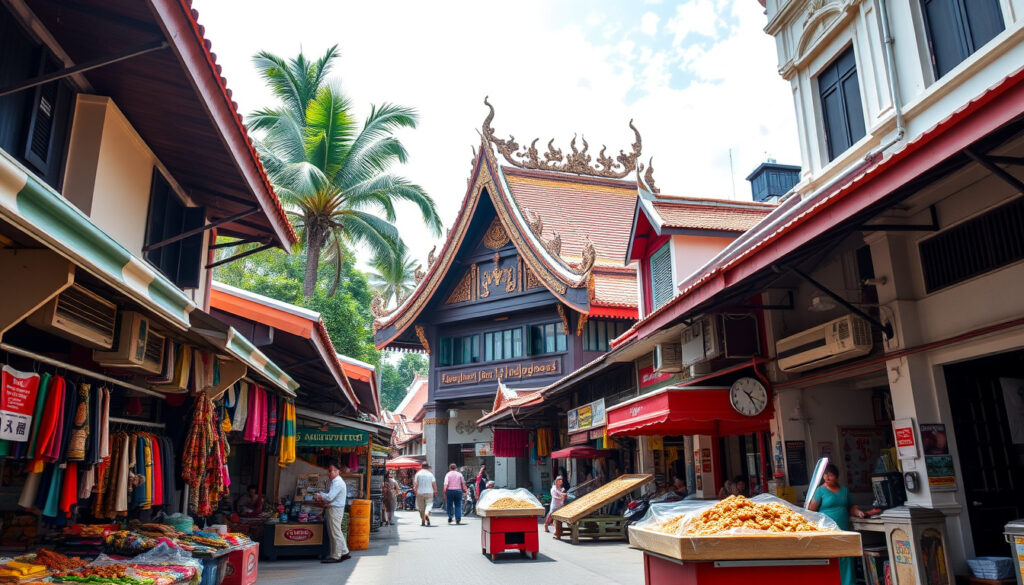
Bugis stands out as one of Singapore’s most dynamic neighborhoods, where centuries-old temples sit comfortably alongside contemporary art galleries and bustling street markets. This central district offers an unbeatable combination of affordable shopping, diverse street food, cultural landmarks, and vibrant nightlife—all easily navigable on foot. Whether visitors have half a day or a full weekend, Bugis delivers authentic Singaporean experiences that showcase the nation’s multicultural fabric.
The area owes much of its character to its strategic location between the civic district and Kampong Glam, creating a unique blend of Malay, Chinese, and Indian influences. Bugis Street Market alone draws crowds with its hundreds of stalls, while nearby Haji Lane captures the artistic spirit with colorful murals and independent boutiques. Accessible via two MRT lines, this walkable neighborhood serves as an ideal introduction to Singapore for first-time visitors and a convenient escape for returning travelers seeking familiar comforts with fresh discoveries.
From serene temple visits at dawn to rooftop cocktails at dusk, Bugis Singapore provides a complete urban experience. Families appreciate the interactive museums and air-conditioned shopping complexes, while food lovers gravitate toward hawker centres serving dishes under ten dollars. The district’s compact nature means attractions that might require transport elsewhere in Singapore remain within comfortable walking distance here.
Best Things to Do and Top Attractions in Bugis
Bugis rewards visitors who arrive prepared to explore on foot. The neighborhood connects several distinct zones—each offering its own atmosphere and specialties. Morning hours suit temple visits and museum explorations before the afternoon heat peaks, while evenings bring the neighborhood’s street markets to life with their most energetic atmosphere.
Singapore’s largest street bazaar with over 800 stalls selling fashion, accessories, and souvenirs across air-conditioned levels.
Albert Centre Food Centre and Bugis Street stalls serve authentic curries, chicken rice, and regional specialties for under $10 SGD.
Kwan Im Thong Hood Cho Temple and Buddha Tooth Relic Temple offer peaceful surroundings and free entry in the heart of the district.
Bugis station connects Downtown and East-West lines, providing straightforward access from Orchard, Marina Bay, and Changi Airport.
Key insights for planning a Bugis visit include the neighborhood’s remarkable walkability—most attractions lie within a fifteen-minute radius of Bugis MRT station. Budget-conscious travelers find exceptional value here, with street market prices significantly undercutting Orchard Road’s fixed retail rates. The multicultural character manifests through the proximity of Buddhist temples, Hindu shrines, and mosques within a single afternoon’s walk. Family visitors benefit from air-conditioned museums and markets that keep children comfortable in Singapore’s tropical climate.
| Fact | Details |
|---|---|
| Location | Central Singapore, adjacent to Civic District and Kampong Glam |
| MRT Lines | East-West Line and Downtown Line at Bugis Station |
| Best For | Budget shopping, street food, cultural sites, and art |
| Time Needed | Half day to full day depending on interests |
| Typical Costs | $10-50 SGD for meals and shopping; many attractions free |
| Accessibility | Wheelchair-friendly MRT, malls, and pedestrian paths |
Temples and Sacred Sites
Religious sites in Bugis provide moments of stillness amid the commercial bustle. Kwan Im Thong Hood Cho Temple, established in 1884, draws worshippers seeking blessings with its ornate interiors and incense-filled halls. The temple remains open throughout the day with no admission charge, though visitors should dress modestly and maintain quiet respect. Buddha Tooth Relic Temple and Museum, located just north of Bugis, houses what is claimed to be a Buddha tooth relic within a structure inspired by Tang dynasty architecture. The rooftop garden and fourth-floor meditation room offer particularly memorable experiences.
Museums and Cultural Institutions
The National Museum of Singapore presents the nation’s history through interactive exhibits suitable for all ages, with permanent galleries covering Singapore’s journey from colonial outpost to modern city-state. Located within comfortable walking distance of Bugis MRT, the museum frequently updates its programming to include temporary exhibitions that explore contemporary themes. The Singapore Art Museum focuses on Southeast Asian contemporary art, featuring works by artists from the region that challenge perspectives and spark conversation. Families with young children may also consider the MINT Museum of Toys, which displays over 50,000 vintage toys across multiple themed galleries at a reasonable admission price.
The National Museum and Singapore Art Museum both offer discounted admission on certain evenings. Check official websites for current schedules and consider purchasing combined tickets if visiting multiple cultural sites during your Bugis exploration.
Must-Try Food in Bugis
Bugis ranks among Singapore’s most satisfying districts for food lovers, particularly those seeking authentic hawker fare at accessible prices. The area around Bugis Street and Albert Centre contains dozens of stalls serving dishes that represent Singapore’s diverse culinary heritage. Unlike Orchard Road’s concentration of restaurants and food courts with standardized menus, Bugis hawker centres showcase individual vendors whose families have perfected specific recipes across generations.
Albert Centre Food Centre remains a local favorite for Indian and Malay cuisine, with several stalls specializing in signature curries, biryanis, and noodle dishes. A complete meal typically costs between three and eight Singapore dollars, making it possible to sample multiple dishes without exceeding a modest budget. Hainanese chicken rice, a Singaporean staple, appears at several stalls alongside more specialized options like fish head curry and mee siam. For quick bites between attractions, Bugis Street Market’s upper levels contain numerous food stalls selling everything from oyster omelets to grilled skewers.
The contrast with Orchard Road becomes most apparent in dining options. While Orchard features international restaurant chains, upscale dining establishments, and hotel buffets, Bugis delivers unfiltered access to Singapore’s street food culture. Visitors can move seamlessly from bargaining at a fashion stall to enjoying a bowl of lor mee at an adjacent hawker table, experiencing how locals integrate food into everyday shopping excursions.
Most hawker centres operate from early morning until late evening, with peak lunch crowds arriving around noon. For a less crowded experience, consider visiting between 2pm and 5pm, when stalls remain open but lines have dissipated. Evening dining near Bugis Street Market captures the liveliest atmosphere as both locals and tourists converge after work.
Hidden Culinary Gems
Beyond the main hawker centres, Bugis contains several lesser-known food destinations favored by residents. Bras Basah Complex, primarily known for its book and stationery shops, houses a modest food court where some stalls have operated for over two decades. The vendors here serve portions that trend larger than tourist-facing establishments, and prices reflect the neighborhood’s working-class origins. Those interested in Singapore’s arts education scene will find that students from nearby institutions frequently patronize these establishments, adding a youthful energy to the dining experience.
Shopping Guide to Bugis
Bugis Singapore offers shopping experiences that span the spectrum from frenetic street markets to climate-controlled malls. The crown jewel remains Bugis Street Market, a multi-level complex housing over 800 stalls that collectively claim the title of Singapore’s largest street bazaar. The market’s transformation from its seedier historical reputation into a family-friendly shopping destination has made it accessible to visitors of all ages who seek bargains on fashion, accessories, electronics, and souvenirs.
Negotiation remains expected at Bugis Street Market, particularly on the ground level where individual vendors operate independent stalls. Prices start significantly below Orchard Road’s fixed retail tags, though visitors should approach haggling with reasonable expectations and friendly attitudes. Moving upstairs reveals more organized stalls with pricing that may already reflect the discounted nature of the market. The air-conditioned environment makes extended shopping sessions comfortable regardless of outside temperatures, and the overhead bridges connecting to Bugis Junction and Bugis+ malls allow easy movement between street-market and branded retail experiences.
Bugis Street Market and street-level vendors offer fashion and souvenirs at 40-70% below Orchard prices.
Bugis Junction and Bugis+ feature familiar brands, bookstores, and electronics shops under one roof.
Bras Basah Complex serves as a hidden gem for books, art supplies, and collectibles.
Comparing Bugis to Orchard Road reveals distinct shopping philosophies. Orchard targets visitors seeking branded goods, luxury items, and a curated retail environment within air-conditioned malls connected by underground passages. Bugis appeals to those who value discovery, negotiation, and exposure to local rather than international retail patterns. The Malay, Indian, and Peranakan influences visible in Bugis shopping districts create a distinct atmosphere unavailable in Orchard Road’s polished corridors.
Carry sufficient cash when visiting Bugis Street Market, as many smaller vendors do not accept cards or digital payments. ATMs are available near Bugis MRT, though queues can form during peak hours. For mall shopping at Bugis Junction and Bugis+, cards and mobile payments are widely accepted.
Alternative Shopping Destinations
Arab Street and Kampong Glam, accessible within fifteen minutes on foot from Bugis, offer different retail experiences centered around textiles, carpets, and Middle Eastern merchandise. The shophouses lining these streets contain boutique stores, vintage shops, and specialty retailers that reward exploration beyond the main thoroughfares. Those seeking comfortable accommodation near these shopping zones might consider options like Holiday Inn Express Orchard, which provides convenient access while offering reliable amenities after a day of exploring Bugis and surrounding neighborhoods.
How to Get to Bugis and Practical Tips
Bugis MRT station serves as the primary gateway, connecting the Downtown Line and East-West Line at a central point within the district. Travelers arriving from Changi Airport can reach Bugis in approximately 40 minutes via the East-West Line without transferring. Visitors staying near Orchard Road will find a direct Downtown Line connection requiring roughly 15 minutes. The station features wheelchair accessibility throughout, with lifts connecting all platforms to street level. Discover the vibrant culture of Bugis with this Bin Shabib Mall Al Barsha.
Singapore’s tropical climate shapes practical planning for Bugis visits. The period between February and April generally offers the driest conditions with lower rainfall probability, making these months ideal for outdoor exploration. November through January brings increased precipitation that can interrupt sightseeing plans, though indoor attractions like museums and shopping malls provide reliable alternatives. Year-round temperatures remain consistently warm, so early morning or late afternoon visits minimize exposure to peak heat while allowing midday time for air-conditioned venues.
| Consideration | Recommendation |
|---|---|
| Transportation | MRT Bugis Station; wheelchair accessible |
| Best Season | February to April for dry weather |
| Footwear | Comfortable walking shoes essential |
| Payment Methods | Cash for markets, cards for malls |
| Apps | Grab for taxis and food delivery |
The walkable nature of Bugis means visitors can reasonably cover major attractions within a single day. Starting at Bugis Street Market in the morning allows time for temple visits before lunch at a hawker centre, followed by afternoon museum or gallery exploration. Evening hours bring the liveliest atmosphere to street markets and open opportunities for dining and entertainment. Those planning longer Singapore itineraries may wish to allocate one full day to Bugis and surrounding areas including Kampong Glam, Marina Bay, and the Civic District, which connect through integrated pedestrian networks.
Free walking tours operate regularly through Bugis and surrounding neighborhoods, offering historical context and cultural insights that self-guided exploration might miss. These tours typically run for two to three hours and visit temples, markets, and historical sites while sharing stories about Singapore’s development. Tips are expected but not mandatory, making this an accessible option for travelers watching their budget.
Nightlife and More in Bugis
As daylight fades, Bugis transforms into an evening destination that differs markedly from its daytime character. The area attracts a younger crowd drawn to Haji Lane’s bars and boutiques, where cafes transition into casual drinking establishments as the evening progresses. Unlike Orchard Road’s clustered nightlife zones, Bugis offers a more diffuse scene where entertainment options spread across several streets and require some exploration to discover.
Maison Ikkoku stands out among Bugis bars, specializing in bespoke cocktails crafted with Asian ingredients and theatrical presentation. The venue’s intimate setting makes it popular with visitors seeking refined drinks in surroundings that feel distinctly local rather than tourist-oriented. Rooftop venues scattered throughout the district provide views across the Singapore skyline, though patrons should expect prices that reflect the premium location rather than Bugis’s budget-friendly daytime character.
Cultural entertainment options include The Projector, an independent cinema that screens indie films, foreign language features, and classic revivals in a restored shophouse setting. This venue represents a different side of Singapore’s cultural scene than the large multiplexes found near Orchard, appealing to visitors interested in film as an art form. The Aliwal Arts Centre hosts regular events, workshops, and performances that showcase Singapore’s creative community, with programming that changes throughout the year.
Boutique cocktail venues and casual pubs in shophouse settings
Independent cinema showing indie and classic films
Evening visits available for toy enthusiasts
Free Activities After Dark
Visitors on tighter budgets find that Bugis offers several free or low-cost evening activities. The National Library remains open until 9pm most days, providing air-conditioned reading spaces and access to Singapore’s largest book collection at no charge. Temple exteriors can be photographed during evening hours when lighting creates atmospheric images, though visitors should respect any ongoing religious activities. Walking through Bugis Street Market during evening hours captures the area at its most animated, with vendors competing for attention and street food aromas filling the air.
Hidden Gems Worth Discovering
Beyond the well-trodden paths, Bugis contains venues that reward curious explorers. Motion Art Space offers art workshops and creative programs in a studio setting that provides hands-on engagement with Singapore’s contemporary art scene. The Bras Basah Complex, while primarily known for retail, contains pockets of interesting finds including rare books, vintage collectibles, and specialty suppliers that attract enthusiasts from across the region. Seasonal events such as the Aliwal Urban Art Festival bring temporary installations, live performances, and community gatherings that transform familiar streets into temporary cultural venues.
Seasonal events and pop-up markets in Bugis operate on varying schedules that aren’t always published in advance. The Time Out Singapore website maintains updated listings for events, exhibitions, and entertainment across Bugis and the broader city. Walking through the neighborhood often reveals unexpected activities that don’t appear in major tourism guides.
A One-Day Itinerary for Bugis
Morning exploration should begin at Bugis MRT, positioning visitors to access multiple attractions within walking distance. Starting with Bugis Street Market during early hours offers advantages—the market opens around 10am and morning visits mean shorter crowds and more relaxed bargaining. After browsing the stalls, visitors can cross to Bugis Junction via overhead bridge for air-conditioned comfort and additional shopping options.
Midday suits temple visits and hawker dining. The walk from Bugis Street Market to Kwan Im Thong Hood Cho Temple takes approximately ten minutes, passing through areas that showcase Singapore’s multicultural character. Lunch at Albert Centre Food Centre provides authentic hawker fare at local prices, with vendors offering curries, rice dishes, and noodle variations that represent Singapore’s diverse food culture. The Buddha Tooth Relic Temple lies a short walk north, offering architectural beauty and peaceful surroundings that contrast with market energy.
Afternoon hours accommodate museum visits, with the National Museum of Singapore and Singapore Art Museum providing climate-controlled environments and enriching exhibitions. Families with children may prefer the interactive displays at the National Museum or the toy collections at MINT. Haji Lane deserves exploration during late afternoon, when the bohemian atmosphere combines street art, boutique shopping, and cafe culture in settings that feel distinctly different from the morning’s market experience.
- Morning: Bugis Street Market (shopping), Bugis Junction (mid-range retail)
- Midday: Albert Centre Food Centre (lunch), Kwan Im Thong Hood Cho Temple (temple visit)
- Afternoon: National Museum or Singapore Art Museum (culture), Haji Lane (art and boutiques)
- Evening: Hawker dinner, rooftop bar or The Projector cinema
What Information Remains Uncertain
While Bugis’s major attractions and transportation links remain stable and well-documented, certain details warrant direct verification before visiting. Operating hours for individual hawker stalls may vary, with some vendors taking rest days that aren’t publicly announced. Specific restaurant and bar hours can change seasonally, and smaller venues occasionally close without notice.
- Bugis MRT station connections and accessibility
- Major attraction locations and general admission policies
- Hawker centre presence and approximate price ranges
- Shopping district boundaries and mall connections
- Walking distances between major sites
- Specific vendor operating hours at hawker centres
- Bar and restaurant current operating status
- Seasonal event schedules and availability
- Construction or renovation affecting pedestrian routes
- Temporary exhibitions at museums
Pop-up markets, art installations, and special events appear throughout Bugis throughout the year, but their schedules typically aren’t published far in advance. Visitors seeking these experiences should consult local event listings closer to their travel dates rather than expecting consistent programming from visit to visit. The neighborhood’s popularity ensures that its core attractions—temples, museums, markets, and hawker centres—maintain reliable operating patterns, making Bugis a dependable destination regardless of timing.
Why Bugis Matters in Singapore’s Landscape
Bugis occupies a distinctive position within Singapore’s urban geography, serving as a transition zone between distinct neighborhoods and cultural territories. The area absorbed influences from Malay, Chinese, Indian, and Arab communities over centuries, creating layers of history visible in its architecture, religious buildings, and commercial patterns. This organic development contrasts with Singapore’s planned districts, where urban renewal has sometimes erased historical character in favor of modern infrastructure.
The neighborhood’s survival as a commercial and cultural hub reflects Singapore’s broader approach to maintaining neighborhood diversity within a rapidly modernizing city. Bugis Street Market’s transformation from traditional street bazaar to air-conditioned shopping complex illustrates how heritage spaces adapt to contemporary expectations while retaining their essential character. Similarly, Haji Lane’s emergence as an arts and nightlife destination demonstrates how disused spaces find new purposes that honor rather than erase their origins.
For visitors, Bugis offers something increasingly rare in globally homogenized cities: an authentic neighborhood experience grounded in specific cultural contexts while remaining accessible to international visitors. The district’s walkability, affordability, and diversity make it an ideal entry point for understanding Singapore beyond its gleaming skyline and luxury shopping districts.
Where Information Comes From
This guide draws upon multiple source categories to ensure accuracy and comprehensiveness. Tourism platforms including Traveloka and Monster Day Tours provide practical visitor information about attraction details, operating hours, and accessibility considerations. Local publications such as Time Out Singapore offer cultural insights and event information that reflect current urban life rather than historical documentation alone.
“Bugis remains one of Singapore’s most vibrant neighborhoods, where the energy of street markets meets the serenity of historic temples, creating an experience that captures the nation’s multifaceted character.”
— Time Out Singapore
Institutional sources including the National Library Board and official museum websites contribute factual details about collections, facilities, and educational programming. Transportation information derives from Singapore’s public transit authority, ensuring visitors receive accurate guidance for planning their journeys. This multi-source approach helps verify that details remain current across the rapidly evolving urban landscape.
Summary
Bugis Singapore delivers a concentrated dose of the city’s cultural diversity, affordable shopping, and authentic food scene within an area small enough to explore thoroughly in a single day. The neighborhood’s accessibility via MRT, walkable layout, and mix of free and paid attractions accommodate various travel styles and budgets. From morning temple visits through afternoon museum explorations to evening entertainment in Haji Lane’s bars, Bugis provides a complete Singapore experience that reveals the nation’s multicultural character through tangible, accessible encounters. Visitors to Singapore seeking substance beyond surface-level tourism will find Bugis rewards those who venture beyond Orchard Road’s polished retail corridors.
Frequently Asked Questions
More related posts
 Mobile Pet Cremation Services Pte Ltd: Prices, Reviews Singapore
 Personal Driver Jobs Singapore: Salary, Requirements & Guide
 Hotel Royal Signature Kuala Lumpur: Location, Reviews & Booking
 Allianz Income and Growth Fund: Yield and Risks in 2025
 Best Beaches in Florida Gulf Coast: Top 10 Picks for 2026
 Victoria and Albert Museum: Worth Visiting? Tickets & Highlights
 Liverpool vs Man City: VAR Review, How to Watch & Results
 PSG vs Tottenham Lineups – Confirmed XIs and Injury News