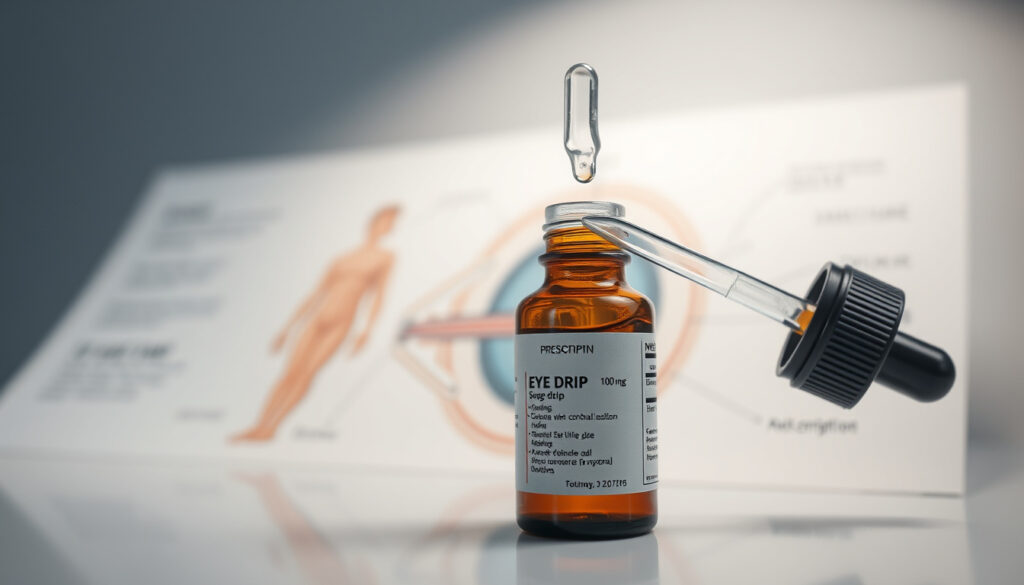
Pred Forte Eye Drops: Uses, Side Effects & Dosage
If you’ve ever dealt with a red, painful eye that just won’t settle, you know how frustrating it can be — and for many patients, Pred Forte eye drops are the go‑to prescription for calming that inflammation. Pred Forte contains prednisolone acetate 1%, a corticosteroid approved by the U.S. Food and Drug Administration (FDA) for steroid‑responsive inflammatory conditions of the eye.
Active Ingredient: Prednisolone Acetate 1% ·
Dosage Frequency: 1–2 drops 2–4 times daily ·
Typical Treatment Duration: Short‑term (days to weeks) ·
Regulatory Status: Prescription only
Quick snapshot
- Pred Forte is indicated for steroid‑responsive inflammatory eye conditions (Medsafe New Zealand data sheet)
- Generic versions of prednisolone acetate 1% are FDA‑approved (Medsafe New Zealand data sheet)
- Exact reasons for regional brand discontinuation are not fully documented
- Brand Pred Forte remains available in many markets; no global recall issued (AbbVie Canada patient information)
- Continued availability of generic alternatives; patients should consult their doctor about switching
Six key specs, one pattern: Pred Forte is a standardized corticosteroid suspension across markets, but dosing and labeling differ slightly by country.
| Specification | Details |
|---|---|
| Brand Name | Pred Forte |
| Generic Name | Prednisolone Acetate Ophthalmic Suspension |
| Strength | 1% w/v (USP) |
| Drug Class | Corticosteroid |
| Manufacturer (brand) | AbbVie (original); multiple generic manufacturers |
| Regulatory Status | Prescription only (US, UK, Canada, NZ) |
| Typical Adult Dose | 1–2 drops per affected eye, 2–4 times daily (Mayo Clinic) |
| Pediatric Use | Determined by physician (Mayo Clinic) |
What is PRED FORTE eye drops used for?
Therapeutic indications
- Steroid‑responsive inflammation of the palpebral and bulbar conjunctiva, cornea, and anterior segment of the globe (Medsafe New Zealand data sheet)
- Short‑term treatment of redness, swelling, and eye discomfort associated with conditions like uveitis, iritis, and allergic conjunctivitis (AbbVie Canada patient medication information)
Pred Forte is a prescription corticosteroid — not an antibiotic or pain reliever. It works by suppressing the immune response that causes inflammation. The UK Patient Information Leaflet (emc) emphasizes its use for “steroid‑responsive inflammatory conditions” and warns against using it if you have an untreated eye infection.
The implication: Pred Forte is a targeted tool for inflammatory eye disease, not a general eye drop. Using it for simple eye irritation is both ineffective and risky.
How long can you use PRED FORTE drops?
Recommended dosing regimen
- Standard dose: 1–2 drops into the affected eye(s) 2 to 4 times a day (emc Patient Information Leaflet)
- During the first two days, the drops may be used more frequently before tapering (emc)
- In the United States, Mayo Clinic lists the adult dose as two drops in the affected eye four times a day, with adjustments by a doctor
The trade‑off: you get rapid relief, but using it beyond the prescribed window raises the risk of serious side effects.
What are the worst side effects of prednisolone eye drops?
Serious ocular side effects
- Increased intraocular pressure (glaucoma) — risk rises with prolonged use (Medical News Today)
- Cataract formation — posterior subcapsular cataracts are a well‑known consequence of long‑term corticosteroid eye drops (Medical News Today)
- Delayed wound healing — steroids suppress natural healing (FDA label)
- Risk of secondary infections — especially fungal infections, because the immune response is blunted (Medsafe)
Patients using Pred Forte for more than two weeks should have their intraocular pressure checked, because the silent rise in eye pressure often has no early symptoms.
Why this matters: the same mechanism that makes Pred Forte effective — immune suppression — is what creates its most dangerous side effects. The Mayo Clinic lists blurred vision, eye discomfort, and altered taste as common, but the real concerns are the ones you can’t feel.
What to avoid while using PRED FORTE?
Contraindications and precautions
- Avoid if you have untreated eye infections — corticosteroids can mask or worsen them (AbbVie Canada patient information)
- Do not use contact lenses during treatment — they can trap the drug and increase irritation
- Avoid driving if vision blurs temporarily after instillation
- Never stop suddenly without consulting your doctor — abrupt withdrawal after long use can cause rebound inflammation
The Medsafe New Zealand data sheet also warns that Pred Forte can “mask signs of infection” and that patients should be monitored for fungal growth if used for 10 days or more.
The catch: the precautions are simple but often overlooked, especially the contact‑lens rule and the need for pressure checks.
Why was PRED FORTE discontinued?
Market availability and generic alternatives
- Brand Pred Forte may have been discontinued in some regions due to generic competition — not due to safety issues
- The FDA has approved multiple generic versions of prednisolone acetate ophthalmic suspension (e.g., Amneal’s generic)
- Active ingredient remains available under other brand names and generics in most countries (FDA label)
Patients who hear “discontinued” often panic. The reality: generic prednisolone acetate 1% is widely available, bioequivalent, and often cheaper. The brand’s phase‑out in certain markets reflects economics, not product failure.
What this means: if your pharmacy says Pred Forte is out of stock, ask for a generic equivalent. The UK PIL and Mayo Clinic both confirm that the generic contains the same active ingredient at the same concentration.
Confirmed facts
- Pred Forte is indicated for steroid‑responsive inflammatory eye conditions (Medsafe)
- Generic versions are FDA‑approved
What’s unclear
- Exact reasons for regional brand discontinuation are not fully documented
“Instil 1 drop into the affected eye(s) two to four times a day.”
— UK Patient Information Leaflet (emc), on dosing
“Pred Forte is used to treat inflammation (swelling) of several different parts of the eye.”
— AbbVie Canada patient medication information
For patients in the U.S., the choice is clear: generic prednisolone acetate is the standard first‑line therapy, backed by decades of clinical use. For patients in the UK and Canada, brand Pred Forte remains available but is often replaced by generics at the pharmacy level. The implication: don’t treat a missing brand name as a crisis — the medicine itself is still here.
Frequently asked questions
Is Pred Forte safe for children?
Children’s dose must be determined by a doctor. Mayo Clinic notes that “safety and efficacy have not been established” in pediatric patients, so use is guided by clinical judgment.
Can I use Pred Forte while wearing contact lenses?
No. Contact lenses should not be worn during treatment because they can trap the medication and increase irritation. Wait at least 15 minutes after instillation before inserting lenses, and only if your doctor approves.
Does Pred Forte interact with other medications?
Yes, potential interactions exist. Tell your doctor about all other eye drops you use, especially any other corticosteroids, NSAIDs, or glaucoma medications. The Medsafe data sheet advises waiting 5–10 minutes between different eye drops.
How should I store Pred Forte eye drops?
Store upright at room temperature (20–25°C). Do not freeze. Keep the bottle tightly closed when not in use. Discard four weeks after opening.
What should I do if I miss a dose?
Apply the missed dose as soon as you remember. If it’s almost time for the next dose, skip the missed one. Do not double the dose.
Can I use Pred Forte for dry eyes?
No. Pred Forte is a corticosteroid for inflammatory conditions, not a lubricant. Using it for dry eyes can actually suppress the natural tear film and increase infection risk.
How much does Pred Forte cost without insurance?
Costs vary by pharmacy and region. Generic prednisolone acetate is generally much cheaper. Check GoodRx or your local pharmacy for current prices.
For patients and doctors alike, the takeaway is that Pred Forte (prednisolone acetate) remains a reliable first‑line option for ocular inflammation — whether under its original brand name or a generic. For the patient worried about a “discontinued” label, the course is clear: ask your pharmacist for the generic, and you’ll get the same active ingredient at a lower cost. That’s a win for your eyes and your wallet.
Also on our site: What Is a Root Canal? and The Rock Weight Loss — both offer health‑related insights you might find useful.
More related posts
 Micron Semiconductor Asia Pte Ltd: Profile Singapore Ops & Careers
 Best Linux Distros for Beginners 2025: Expert-Picked Guide
 Novotel Bangkok Platinum Pratunam: 4-Star Hotel Review
 Things to Do in Bugis – Markets Temples Food and Culture
 You Are My Hero Review: Worth Watching? Story & Song
 Cast of I Not Stupid 3: Child Actors and Full Cast 2024
 Lee Sun-bin: Biography, Relationship, and Career Highlights
 Delhi College of Arts and Commerce: Fees, Courses, Rankings